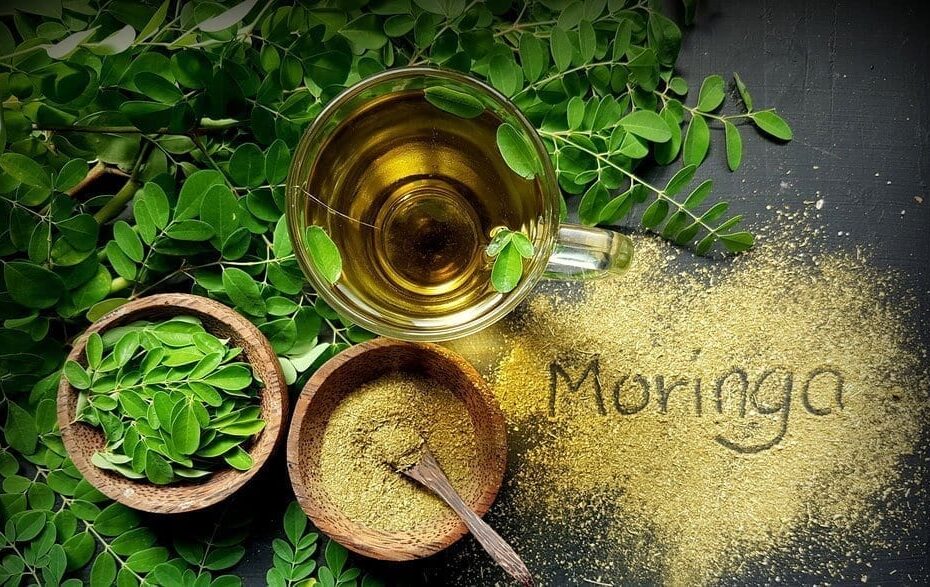
In recent years, moringa has gained popularity as a natural superfood thanks to its incredible nutritional profile and numerous health benefits. Often referred to as the “miracle tree,” moringa is native to parts of Africa and Asia and has been used for centuries in traditional medicine. Today, it’s celebrated worldwide for its high concentration of vitamins, minerals, antioxidants, and anti-inflammatory compounds. Whether you’re looking to boost energy, support immunity, improve digestion, or simply eat healthier, adding moringa to your diet is a smart move.
In this blog post, we’ll explore what moringa is, its nutritional benefits, and practical, easy ways to incorporate it into your daily routine.
What Is Moringa?
Moringa oleifera is a fast-growing, drought-resistant tree that thrives in tropical and subtropical climates. Almost every part of the tree is edible and beneficial, including the leaves, seeds, pods, flowers, and roots. However, moringa leaves are the most commonly used part for dietary supplements, powders, and teas because they’re nutrient-dense and easy to process.
The dried leaves are often ground into a fine green powder that can be mixed into drinks, sprinkled on meals, or taken in capsule form. You’ll also find moringa oil, moringa tea, and even moringa-based snack bars or smoothies in health stores.
Nutritional Powerhouse
Moringa is incredibly rich in essential nutrients. Just a small serving offers a powerful dose of:
- Vitamin C – for immune support
- Vitamin A – for vision and skin health
- Calcium – for strong bones
- Potassium – for heart and muscle function
- Iron – for healthy blood cells
- Magnesium – for nerve and muscle health
- Protein – all 9 essential amino acids
- Antioxidants – including quercetin and chlorogenic acid
In fact, gram for gram, moringa contains:
- 7x more vitamin C than oranges
- 4x more calcium than milk
- 3x more potassium than bananas
- 2x more protein than yogurt
- 10x more vitamin A than carrots
This makes moringa an ideal supplement for people with dietary gaps, vegetarians, vegans, athletes, and anyone seeking to improve their overall well-being.
Health Benefits of Moringa
Adding moringa to your diet offers a wide range of health advantages, including:
1. Boosts Immunity
Thanks to its high vitamin C content and antioxidants, moringa strengthens the immune system and helps the body fight infections and inflammation.
2. Supports Energy Levels
Moringa is rich in iron and magnesium, which help fight fatigue and support sustained energy throughout the day—without the crash that comes from caffeine or sugar.
3. Improves Digestion
Moringa has anti-inflammatory properties and a good amount of fiber, which supports gut health and aids in digestion. It may help with bloating, constipation, and stomach ulcers.
4. Balances Blood Sugar
Research suggests that moringa may help regulate blood sugar levels, making it a helpful supplement for people managing diabetes or insulin resistance.
5. Enhances Skin and Hair Health
The antioxidants and essential fatty acids in moringa can improve skin elasticity, reduce acne, and promote hair growth and shine.
6. Detoxifies the Body
Moringa contains chlorophyll and other detoxifying compounds that help cleanse the liver and remove heavy metals from the body.
How to Add Moringa to Your Diet
One of the best things about moringa is its versatility. Here are some of the most popular and practical ways to incorporate it into your daily meals:
1. Moringa Powder in Smoothies
Add 1 teaspoon of moringa powder to your morning smoothie or protein shake. Its earthy taste pairs well with fruits like bananas, mangoes, and berries.
2. Moringa Tea
Brew dried moringa leaves or use a moringa tea bag to make a mild, green tea-like beverage. It’s caffeine-free, so you can enjoy it morning or night.
3. Sprinkle on Meals
Sprinkle a pinch of moringa powder on soups, salads, eggs, avocado toast, or roasted veggies. It adds a nutritional boost without overpowering the flavor.
4. Bake with Moringa
Incorporate moringa into baked goods like muffins, pancakes, or energy bars. Just 1-2 teaspoons can enrich your recipe with nutrients.
5. Add to Sauces and Dips
Blend moringa powder into hummus, pesto, salad dressing, or pasta sauce to sneak in some green power.
6. Take Moringa Capsules
If you’re on the go or don’t like the taste of the powder, moringa capsules are a convenient alternative. Make sure to follow dosage recommendations.
Tips for Getting Started
- Start small: If you’re new to moringa, begin with ½ teaspoon per day and gradually increase to 1–2 teaspoons as your body adjusts.
- Watch for quality: Choose organic, high-quality moringa powder from a reputable brand. The powder should be a vibrant green color, which indicates freshness.
- Store properly: Keep your moringa in an airtight container away from sunlight and moisture to maintain its potency.
- Consult your doctor: If you’re pregnant, breastfeeding, or taking medications (especially for blood pressure or diabetes), check with your healthcare provider before adding moringa to your routine.
Conclusion: A Simple Superfood for Daily Health
Incorporating moringa into your diet is a simple and effective way to boost your nutrient intake, improve energy, and support overall wellness. Whether you prefer sipping moringa tea, tossing powder into your smoothie, or taking it in capsule form, the benefits are numerous and accessible.
As with any supplement, consistency is key. Over time, you may notice improved digestion, increased vitality, stronger immunity, and clearer skin—all thanks to the power of this humble green plant.
Ready to experience the benefits for yourself? Start small, stay consistent, and let moringa become a natural part of your everyday wellness routine. Your body will thank you. 🌿