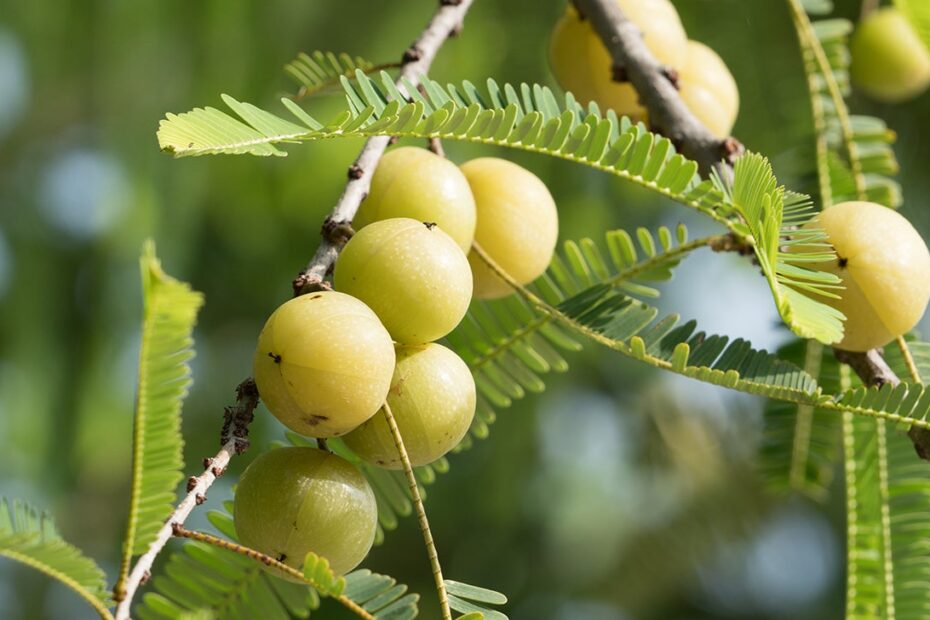
Amla, also known as Indian Gooseberry or Emblica officinalis, has been cherished in Ayurveda and traditional medicine for thousands of years. This small, green fruit is packed with nutrients, antioxidants, and medicinal properties that make it one of the most powerful superfoods on the planet. From boosting immunity and improving skin health to supporting digestion and hair growth, Amla fruit is a natural powerhouse for overall wellness.
In this comprehensive guide, we will explore everything you need to know about Amla fruit — its history, nutritional profile, medicinal uses, health benefits, beauty applications, and delicious ways to add it to your daily diet.
What is Amla Fruit?
Amla, scientifically called Phyllanthus emblica or Emblica officinalis, is a small green fruit that grows on the Amla tree, native to India and Southeast Asia. Known in Sanskrit as Amalaki, Amla is a key ingredient in Ayurvedic medicine, where it is celebrated as a “divine fruit” for its rejuvenating properties.
The word Amla translates to “sour,” referring to its sharp, tangy taste. Despite its tart flavor, Amla is extremely versatile and used in various forms including fresh fruit, dried powder, juice, oil, and capsules.
Nutritional Value of Amla Fruit
One of the main reasons Amla is so beneficial is its rich nutritional content. This tiny fruit is bursting with vitamins, minerals, and antioxidants.
Nutritional profile per 100 grams of Amla fruit:
- Calories: 44
- Vitamin C: 600–700 mg (one of the richest natural sources)
- Protein: 0.9 g
- Carbohydrates: 10 g
- Fiber: 4.3 g
- Calcium: 25 mg
- Iron: 0.3 mg
- Phosphorus: 20 mg
- Other Compounds: Polyphenols, flavonoids, tannins
Key point: Amla contains 20 times more Vitamin C than oranges, making it a superior natural immunity booster.
Top Health Benefits of Amla Fruit
1. Boosts Immunity
Amla is a natural immune system enhancer thanks to its high vitamin C content and antioxidants. It helps the body fight infections, strengthens white blood cells, and improves resistance to seasonal illnesses like colds and flu.
2. Improves Digestion
Amla is rich in dietary fiber and supports healthy bowel movements. It stimulates digestive enzymes, reduces acidity, and promotes better nutrient absorption. In Ayurveda, Amla is used to balance all three doshas (Vata, Pitta, Kapha), making it excellent for gut health.
3. Supports Heart Health
The antioxidants and vitamin C in Amla protect against oxidative stress and reduce cholesterol levels. Studies suggest Amla can lower bad cholesterol (LDL) and triglycerides while improving good cholesterol (HDL). This helps maintain healthy arteries and reduces the risk of heart disease.
4. Enhances Hair Growth and Strength
Amla is a popular natural remedy for strong, healthy hair. Its vitamin C and phytonutrients strengthen hair follicles, reduce dandruff, and prevent premature graying. Amla oil is widely used in Ayurvedic hair treatments.
5. Promotes Glowing Skin
The antioxidants in Amla fight free radicals that cause aging, fine lines, and wrinkles. Regular consumption of Amla or applying it topically improves skin elasticity, reduces pigmentation, and promotes a natural glow.
6. Regulates Blood Sugar Levels
Amla has a low glycemic index and helps regulate blood sugar. It improves insulin sensitivity and is beneficial for people managing diabetes.
7. Improves Eye Health
The carotene and vitamin C in Amla help improve vision and prevent age-related macular degeneration and cataracts.
8. Aids in Weight Management
Being low in calories and rich in fiber, Amla supports weight loss by improving satiety and metabolism. It detoxifies the body and promotes fat burning.
9. Strengthens Bones and Teeth
With its calcium, phosphorus, and vitamin C content, Amla helps strengthen bones, teeth, and connective tissues.
10. Detoxifies the Body
Amla acts as a natural detoxifier by flushing out toxins, purifying the blood, and supporting liver function.
Traditional and Ayurvedic Uses of Amla
Amla has been a cornerstone of Ayurveda for over 5,000 years. It is a main ingredient in many formulations like Chyawanprash, Triphala, and herbal oils.
- Chyawanprash: Amla-based herbal jam that boosts immunity and energy.
- Triphala: A blend of Amla, Haritaki, and Bibhitaki used for digestion and detoxification.
- Amla Oil: Applied to the scalp for strong, shiny hair.
- Medicinal Decoctions: Used for coughs, colds, ulcers, and liver disorders.
In traditional Indian households, Amla is also preserved as pickles, candy, and dried powder for daily consumption.
Amla for Skin and Beauty
Amla is a natural beauty enhancer. Here’s how it works for skin:
- Reduces pigmentation and dark spots
- Boosts collagen production for youthful skin
- Delays premature aging caused by oxidative stress
- Cleanses skin naturally when used in face masks
DIY Tip: Mix Amla powder with honey or yogurt for a natural face mask that brightens skin.
Amla for Hair Care
Amla has been used for centuries to maintain thick, lustrous hair.
- Strengthens roots and prevents hair fall
- Controls dandruff and scalp infections
- Prevents premature graying by nourishing hair pigmentation
- Adds natural shine when used as hair oil
DIY Tip: Mix Amla powder with water to make a paste and apply it as a hair mask, or use pure Amla oil for scalp massage.
How to Include Amla in Your Diet
Amla can be consumed in multiple forms:
- Fresh Fruit: Eat raw or with a pinch of salt.
- Amla Juice: Detoxifying and refreshing.
- Amla Powder: Add to smoothies, teas, or warm water.
- Amla Pickles & Candy: Popular traditional Indian preparations.
- Amla Capsules or Tablets: Easy supplement form.
- Amla Tea: Steep dried Amla pieces in hot water.
Daily Recommended Intake: 1–2 fresh Amla fruits or 1–2 teaspoons of Amla powder.
Amla Fruit in Modern Research
Scientific studies continue to confirm the health benefits of Amla:
- Antioxidant Power: Amla has one of the highest ORAC (Oxygen Radical Absorbance Capacity) values among fruits.
- Anti-Inflammatory Effects: Reduces markers of inflammation, supporting joint health.
- Cancer Prevention Potential: Phytochemicals in Amla may inhibit tumor growth.
- Liver Protection: Amla improves liver function and helps detoxify alcohol-related damage.
Precautions and Side Effects of Amla
Amla is generally safe, but excessive consumption may cause:
- Acidity or stomach upset in sensitive individuals
- Blood thinning effects (consult doctor if taking anticoagulants)
- Lower blood sugar levels (diabetics should monitor levels carefully)
Always start with small amounts and consult a healthcare professional if you have medical conditions.
Final Thoughts
Amla fruit is more than just a traditional superfood — it’s a scientifically proven powerhouse of nutrition and wellness. From boosting immunity and digestion to improving hair, skin, and heart health, Amla has benefits for nearly every system in the body.
Incorporating Amla into your daily diet is simple and rewarding. Whether consumed fresh, as juice, or in powdered form, this tangy green fruit can bring long-lasting health and vitality.
If you are looking for a natural, sustainable, and holistic way to improve your health, Amla fruit deserves a place in your wellness routine.