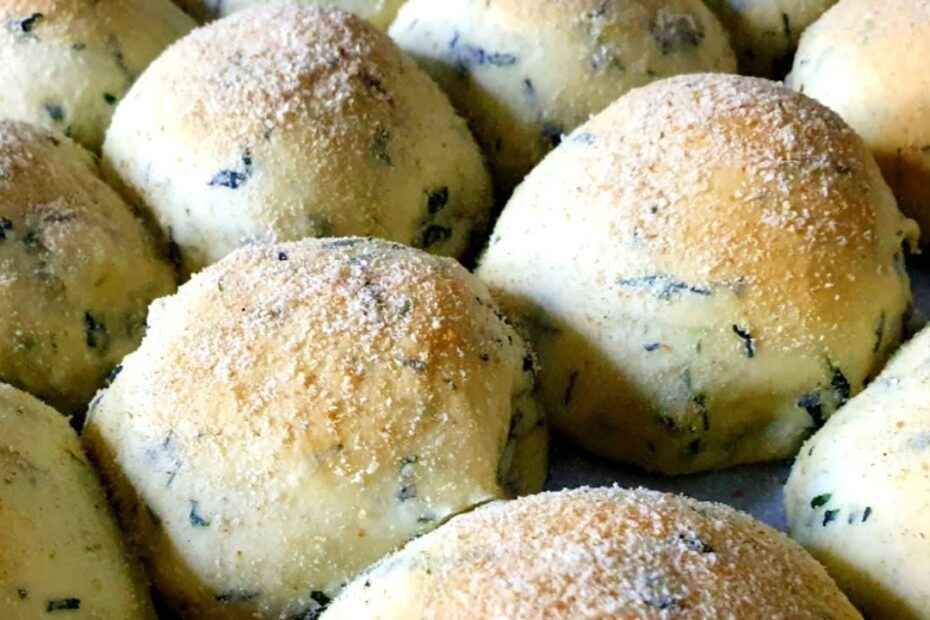
Malunggay Pandesal is a delightful fusion of traditional Filipino bread and the nutritious benefits of malunggay, also known as moringa. This humble yet flavorful bread takes the beloved classic pandesal—soft, slightly sweet, and perfect for any time of the day—and elevates it by incorporating malunggay leaves into the dough. The result is a vibrant, green-tinged bread roll packed with health-boosting properties without compromising the familiar comforting taste that makes pandesal a staple in Filipino households.
Pandesal has long been a breakfast staple in the Philippines, cherished for its soft, fluffy texture and slightly sweet flavor that pairs well with butter, cheese, or even savory fillings like eggs and cured meats. Traditionally made from simple ingredients like flour, sugar, yeast, and salt, pandesal is often enjoyed fresh and warm from the oven or bakery. Over time, many creative variations of pandesal have emerged, introducing different flavors and nutritional elements to the classic recipe.
Enter malunggay—a leafy green plant native to parts of Asia and Africa that has earned the title “miracle tree” due to its dense nutritional profile and numerous health benefits. Malunggay leaves are rich in vitamins A, C, and E, calcium, potassium, and antioxidants, making them an excellent addition to everyday meals for boosting immunity, improving digestion, and supporting overall wellness. In Filipino cuisine, malunggay is commonly used in soups, stews, and vegetable dishes. However, incorporating it into pandesal offers a novel way to enjoy its benefits in a familiar, accessible form.
This Malunggay Pandesal recipe brings together the comforting warmth of freshly baked bread and the nourishing qualities of malunggay in every bite. The dough is infused with finely chopped or powdered malunggay leaves, giving it a subtle herbal aroma and a lovely green tint that is both visually appealing and nutritious. The process of making malunggay pandesal is similar to the traditional pandesal method but with the added step of blending malunggay into the mix, ensuring that the health benefits are evenly distributed throughout the bread.
Aside from its taste and nutrition, Malunggay Pandesal also resonates with a growing trend among health-conscious food lovers who seek to combine delicious flavors with functional ingredients. It’s a perfect example of how traditional recipes can be innovated to meet modern dietary preferences without losing cultural significance. Whether you are baking it at home to enjoy a wholesome breakfast or serving it as a snack during merienda, malunggay pandesal offers a unique culinary experience that’s both satisfying and beneficial.
Moreover, making Malunggay Pandesal at home allows you to control the ingredients, avoiding preservatives and artificial additives commonly found in store-bought bread. It encourages a healthier lifestyle by incorporating natural, nutrient-rich components into a daily staple food. This bread is also versatile, pairing well with both sweet and savory accompaniments, making it ideal for family meals, gatherings, or even packed lunches.
In summary, the Malunggay Pandesal recipe is more than just a bread recipe—it’s a celebration of Filipino heritage, creativity, and a commitment to healthful eating. It beautifully marries tradition with innovation, offering a nourishing twist on a much-loved classic. For those looking to add a nutritious boost to their bread basket without sacrificing flavor, malunggay pandesal is the perfect recipe to try. Whether you are a seasoned baker or a curious food enthusiast, this recipe invites you to experience the wholesome goodness of malunggay in a soft, comforting roll that can brighten up any mealtime.
Ingredients
- 1 sachet Instant Yeast 7g
- 350 ml Luke warm Water
- 1 tsp Sugar
- 500 grams Strong White Flour, more for dusting
- 1/2 cup Sugar
- 1 tbsp Salt
- 90 grams Shortening
- handful Dried Malunggay Leaves
- 1 tbsp Oil for greasing the bowl
- 1 cup Breadcrumbs for coating
Method
- ACTIVATE THE YEAST. Dissolve yeast in warm water, then add sugar and let it stand for 10 minutes.
- MAKING THE DOUGH. Combine the flour, sugar, warm water, salt, dried malunggay leaves, and shortening in a large bowl and mix until well combined. Add the yeast mixture and mix again. If the mixture is too wet add more flour.
- KNEAD THE MIXTURE. The dough can be kneaded by hand or in a mixer with dough hook. To test the dough if it is ready, pinch a piece off and stretch it into a square. The dough is ready if it is elastic enough to be stretched into a translucent sheet of dough. If it tears continue kneading.
- GREASE BOWL. Grease a large bowl with oil. Place the dough in the bowl with cling film and let the dough rise to about twice its size.
- PUNCH DOUGH. Punch down the dough and knead again to redistribute the yeast.
- ROLL DOUGH. Roll each piece of dough into a rectangular sheet and then roll the sheet into a log, about 20 inches long and 2 inches in diameter. Let the dough rest for an hour.
- CUT THE DOUGH. Using a dough cutter or a sharp knife, cut the log into 1 inch thick pieces then roll each piece in breadcrumbs. Place on a baking tray with the cut side up, about 2 inches apart and let it rest again for an hour. Preheat the oven at 180C.
- BAKE. Bake the rolls for 20 minutes or until the rolls becomes lightly toasted.
- COOL DOWN. Put the rolls on the cooling rack for 10-20 minutes.
- SERVE!