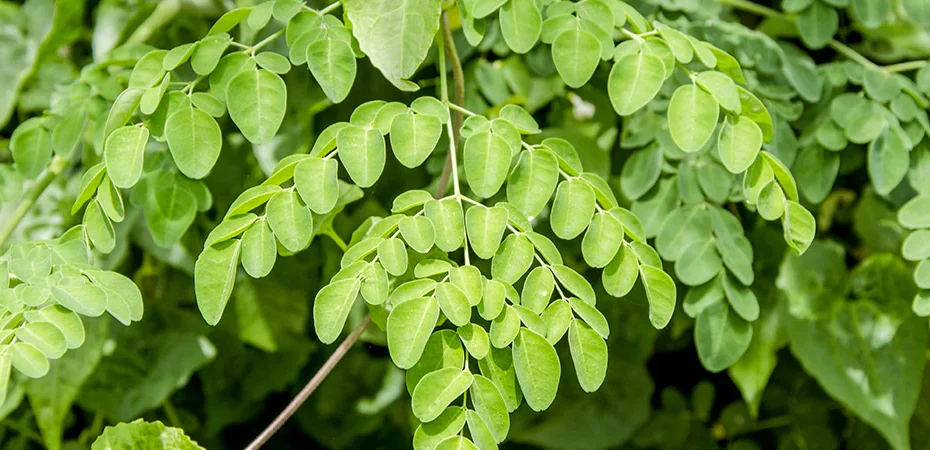
Moringa farming is gaining popularity across the globe as both a profitable and sustainable agricultural venture. Dubbed the “Miracle Tree” or “Tree of Life,” Moringa oleifera is a fast-growing, drought-resistant plant native to the Indian subcontinent but now cultivated in Africa, Asia, Latin America, and even parts of the U.S. Its leaves, pods, seeds, and oil have immense nutritional, medicinal, and industrial value. As demand for natural health products grows, so too does the interest in moringa farming.
Whether you’re a smallholder farmer looking for a resilient crop, an entrepreneur aiming to break into the health and wellness market, or an advocate for sustainable agriculture, moringa farming offers compelling opportunities.
Why Grow Moringa?
The moringa tree is one of the most nutrient-rich plants on Earth. Its leaves are packed with:
- Vitamins: A, B-complex, C, and E
- Minerals: Iron, calcium, magnesium, zinc, and potassium
- Protein: Moringa contains all nine essential amino acids
- Antioxidants: Powerful compounds that fight inflammation and aging
Beyond its nutritional value, moringa has antimicrobial, anti-inflammatory, and cholesterol-lowering properties. These benefits make it a sought-after ingredient in:
- Health supplements (capsules, powders, teas)
- Skin and hair care products
- Biofuel and water purification industries
The global moringa market is projected to grow steadily, especially in regions where organic and plant-based health products are in high demand.
Suitable Conditions for Moringa Cultivation
One of the biggest advantages of moringa is its adaptability. It thrives in a variety of climates but grows best in:
- Tropical and subtropical regions
- Temperature range: 25°C to 35°C (77°F to 95°F)
- Rainfall: 250 mm to 1500 mm annually
- Soil: Well-drained sandy or loamy soil with a pH of 6.0–7.5
It does not tolerate waterlogged soil, but it can withstand drought, making it an ideal crop for arid and semi-arid zones.
Moringa Farming Methods
1. Propagation
Moringa can be propagated either by seeds or cuttings.
- Seeds: Best for large-scale cultivation. Seeds germinate quickly (within 1–2 weeks).
- Cuttings: A faster method for farmers who want to clone high-yielding plants.
2. Land Preparation
- Clear the land and remove weeds.
- Dig holes (30 cm x 30 cm x 30 cm) spaced 1 to 3 meters apart, depending on whether you’re growing for leaves or pods.
- Incorporate organic compost or manure into the soil for better growth.
3. Planting and Spacing
- For leaf production, tighter spacing (1m x 1m) is recommended.
- For pod production, use wider spacing (3m x 3m or more).
- Moringa seeds should be planted about 2–3 cm deep.
4. Watering and Irrigation
- During the initial growth phase, water regularly.
- Once established, moringa requires minimal irrigation due to its drought resistance.
5. Fertilization
- Organic compost or well-rotted manure is ideal.
- Avoid chemical fertilizers if growing for organic markets.
- Apply nutrients every 2–3 months for optimal yield.
6. Pest and Disease Control
Moringa is relatively pest-resistant, but keep an eye out for:
- Aphids
- Caterpillars
- Mites
- Fungal diseases in overly moist conditions
Use organic methods such as neem oil or biological controls whenever possible.
Harvesting Moringa
1. Leaves
- Can be harvested as early as 60–90 days after planting.
- Cut the young shoots every 30–40 days to encourage regrowth.
- Leaves can be sun-dried and ground into powder for storage and sale.
2. Pods (Drumsticks)
- Harvest when immature and tender, around 6–8 months after planting.
- Pods are consumed as vegetables or processed for seed extraction.
3. Seeds
- Mature seeds are harvested when pods turn brown and dry.
- Seeds can be used for oil extraction, replanting, or water purification.
Post-Harvest Processing
Post-harvest handling is crucial for preserving moringa’s nutritional value.
- Drying: Leaves must be dried in shade and low humidity conditions to retain nutrients.
- Grinding: Once dried, leaves are ground into fine powder using food-grade mills.
- Packaging: Store in airtight, moisture-proof containers to extend shelf life.
- Cold Pressing (for oil): Seeds are pressed to extract moringa oil, prized for skincare and cooking.
Economic Potential and Market Outlook
Moringa farming can be a high-value business with multiple revenue streams:
- Fresh or dried leaves
- Leaf powder for supplements
- Pods for culinary use
- Seeds for oil or water purification
- Value-added products: teas, capsules, soaps, lotions, and energy bars
The startup cost for moringa farming is relatively low compared to many commercial crops, especially in regions with available land and labor. With proper branding and organic certification, moringa products can fetch premium prices in local and international markets.
Some major buyers include:
- Health food companies
- Organic product retailers
- Pharmaceutical and cosmetic companies
- Online marketplaces like Amazon and Etsy
Sustainability and Environmental Benefits
Moringa is not just a profitable crop—it’s also an environmentally friendly one.
- Drought-resilient: Reduces the pressure on water resources
- Soil-improving: Its deep roots prevent erosion and improve soil fertility
- Carbon sequestration: Moringa trees absorb carbon dioxide and release oxygen
- Agroforestry: Can be grown alongside other crops to provide shade and improve biodiversity
In regions battling desertification or declining crop yields due to climate change, moringa is a promising solution.
Challenges in Moringa Farming
While moringa has many benefits, farmers may encounter some challenges:
- Market access: In some areas, there is limited local demand or infrastructure to export.
- Knowledge gap: Lack of training on best cultivation and processing methods.
- Quality control: Ensuring hygiene and nutrient preservation during drying and packaging.
Partnering with agricultural extension services, NGOs, or cooperatives can help overcome these barriers.
Final Thoughts
Moringa farming presents a compelling opportunity for sustainable agriculture, economic empowerment, and nutritional improvement. Its fast growth, low input requirements, and wide-ranging applications make it an ideal crop for both small-scale farmers and large agribusinesses.
As awareness of moringa’s benefits continues to grow, those who invest in quality cultivation and value-added processing will be well-positioned to meet the rising demand. Whether you’re farming a small plot or building a commercial enterprise, moringa truly is green gold waiting to be harvested.