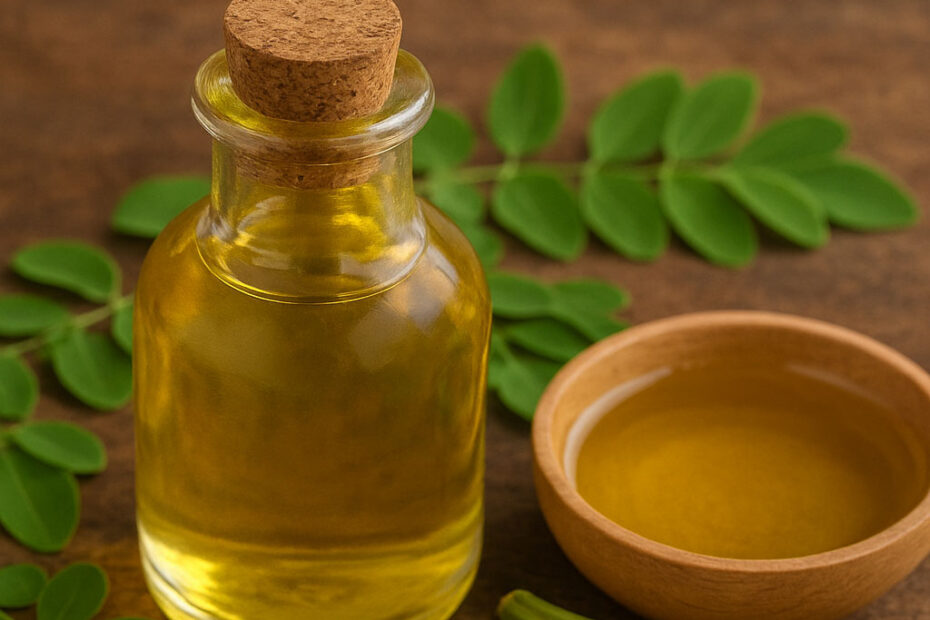
In the world of natural oils and superfoods, moringa oil is quickly gaining recognition as a powerful, multipurpose beauty and health product. Extracted from the seeds of the Moringa oleifera tree—often called the “miracle tree” or “drumstick tree”—moringa oil boasts an impressive array of nutrients and benefits that have been valued for centuries in traditional medicine and beauty rituals. Today, moringa oil is making a big splash in the natural wellness market for good reason.
What is Moringa Oil?
Moringa oil, sometimes called “ben oil,” is a light, golden oil pressed from the seeds of the moringa tree. Native to parts of South Asia and Africa, the moringa tree grows quickly and thrives in harsh climates, making it a sustainable source of nutrition and beauty products.
Unlike many other plant oils, moringa oil is prized for its stable shelf life and resistance to rancidity, thanks to its high antioxidant content. This means it can last longer than oils like flaxseed or hemp without losing its beneficial properties.
Nutritional Profile of Moringa Oil
Moringa oil is rich in essential fatty acids, including:
-
Oleic acid (omega-9): A monounsaturated fatty acid that supports skin elasticity and hydration.
-
Palmitic acid
-
Stearic acid
It also contains:
-
Vitamin A (beta-carotene)
-
Vitamin C
-
Vitamin E (tocopherols)
-
Natural antioxidants like flavonoids and phenolic compounds
These nutrients combine to make moringa oil incredibly nourishing, both for internal consumption and topical use.
The History and Traditional Uses of Moringa Oil
Moringa oil has a long history of use in Ayurveda, traditional African medicine, and other indigenous healing systems. Traditionally, it was used to treat skin infections, wounds, and inflammation. Its antimicrobial and anti-inflammatory properties made it a natural remedy for maintaining healthy skin and soothing minor ailments.
Locals also used moringa oil as a natural hair conditioner and scalp treatment, praising its ability to strengthen hair and promote growth. Its versatility extended to cooking and lamp oil due to its clean-burning properties.
Benefits of Moringa Oil for Skin
One of the most celebrated uses of moringa oil today is in skincare. Here’s why it has become a beloved ingredient in many natural beauty routines:
1. Deep Moisturization
Thanks to its high oleic acid content, moringa oil penetrates deeply into the skin, providing long-lasting hydration without leaving a greasy residue. It helps to lock in moisture, making it ideal for dry, flaky, or sensitive skin.
2. Anti-Aging Properties
Moringa oil’s antioxidant content helps combat free radicals, which are unstable molecules that contribute to premature aging. Regular use of moringa oil can reduce the appearance of fine lines and wrinkles, helping to maintain a youthful glow.
3. Healing and Soothing
The anti-inflammatory and antimicrobial properties of moringa oil make it effective for soothing irritated or inflamed skin conditions, such as eczema, psoriasis, or acne. It supports wound healing and can reduce redness and swelling.
4. Skin Brightening
Vitamin C and other antioxidants in moringa oil help brighten the skin and even out skin tone by promoting cell regeneration and reducing hyperpigmentation.
5. Non-Comedogenic
Unlike some heavier oils, moringa oil is non-comedogenic, meaning it won’t clog pores. This makes it suitable even for acne-prone skin.
Benefits of Moringa Oil for Hair
Moringa oil is also a powerhouse for hair care, delivering nourishment from root to tip.
1. Strengthens Hair
The high levels of vitamins A and E strengthen hair follicles and prevent hair breakage, promoting healthier and thicker hair.
2. Scalp Health
Its anti-inflammatory properties help soothe dry, itchy scalps and reduce dandruff. It also has antimicrobial qualities that protect the scalp from infections.
3. Adds Shine and Softness
Moringa oil smooths the hair cuticle, reducing frizz and adding a natural shine and softness without weighing hair down.
4. Stimulates Growth
By improving scalp circulation and nourishing hair roots, moringa oil can help stimulate healthy hair growth.
How to Use Moringa Oil
Moringa oil’s versatility makes it easy to incorporate into your daily routine. Here are some practical ways to use it:
-
As a facial oil: Apply a few drops to clean skin morning and night for hydration and glow.
-
In your moisturizer: Mix moringa oil with your favorite cream to boost moisturizing power.
-
Hair treatment: Massage warm moringa oil into your scalp and hair. Leave it on for 30 minutes or overnight before washing out for soft, shiny hair.
-
Body oil: Use it as a body moisturizer to soothe dry or rough skin.
-
Cuticle oil: Rub a small amount on nails and cuticles to keep them hydrated and healthy.
-
Carrier oil for essential oils: Moringa oil is an excellent carrier oil that blends well with essential oils for massage or aromatherapy.
Culinary Uses and Nutritional Benefits
While moringa oil is often celebrated for external use, it is also edible and used in cooking in many parts of the world. It has a light, nutty flavor and can be used for salad dressings, sautéing, or drizzling over vegetables.
Ingesting moringa oil can offer:
-
Heart-healthy fats that support cholesterol balance
-
Antioxidants that reduce inflammation
-
Vitamins that boost immune function
However, it is important to source high-quality, food-grade moringa oil if you intend to consume it.
Sustainability and Ethical Aspects
Moringa trees grow rapidly and require minimal water, making them environmentally sustainable compared to many other oil crops. Many producers source moringa oil from smallholder farmers, especially in developing countries, which supports local economies and promotes ethical trade.
When buying moringa oil, look for certifications such as organic, fair trade, or sustainably harvested to ensure you’re supporting responsible practices.
Choosing Quality Moringa Oil
With the rising popularity of moringa oil, the market has seen a surge in both authentic and adulterated products. Here are some tips for choosing high-quality moringa oil:
-
Cold-pressed: This method preserves nutrients and avoids harmful chemicals.
-
Organic: Free from pesticides and synthetic fertilizers.
-
Pure: Check ingredient lists to avoid fillers or diluted oils.
-
Light golden color: Pure moringa oil has a light, clear golden hue.
-
Light, nutty scent: A natural smell indicates freshness.
Final Thoughts: Why Moringa Oil Deserves a Spot in Your Routine
Whether you’re looking for a natural skincare product, a nourishing hair treatment, or a healthy cooking oil, moringa oil offers an impressive array of benefits wrapped up in a sustainable, versatile package.
Its rich nutritional profile and centuries-old history as a healing oil make it a trustworthy choice for those seeking holistic wellness solutions. Plus, its lightweight texture and pleasant aroma make it a joy to use daily.
If you haven’t tried moringa oil yet, now is the perfect time to explore this golden elixir and discover why it’s quickly becoming a natural beauty staple worldwide.